View Full Transcript
Episode Transcript
[00:00:02] Speaker A: Do you know Fleetwood Mac?
[00:00:03] Speaker B: Yeah, we do.
[00:00:03] Speaker C: Big fans.
[00:00:04] Speaker A: Oh really?
Sort of hit a, hit the right.
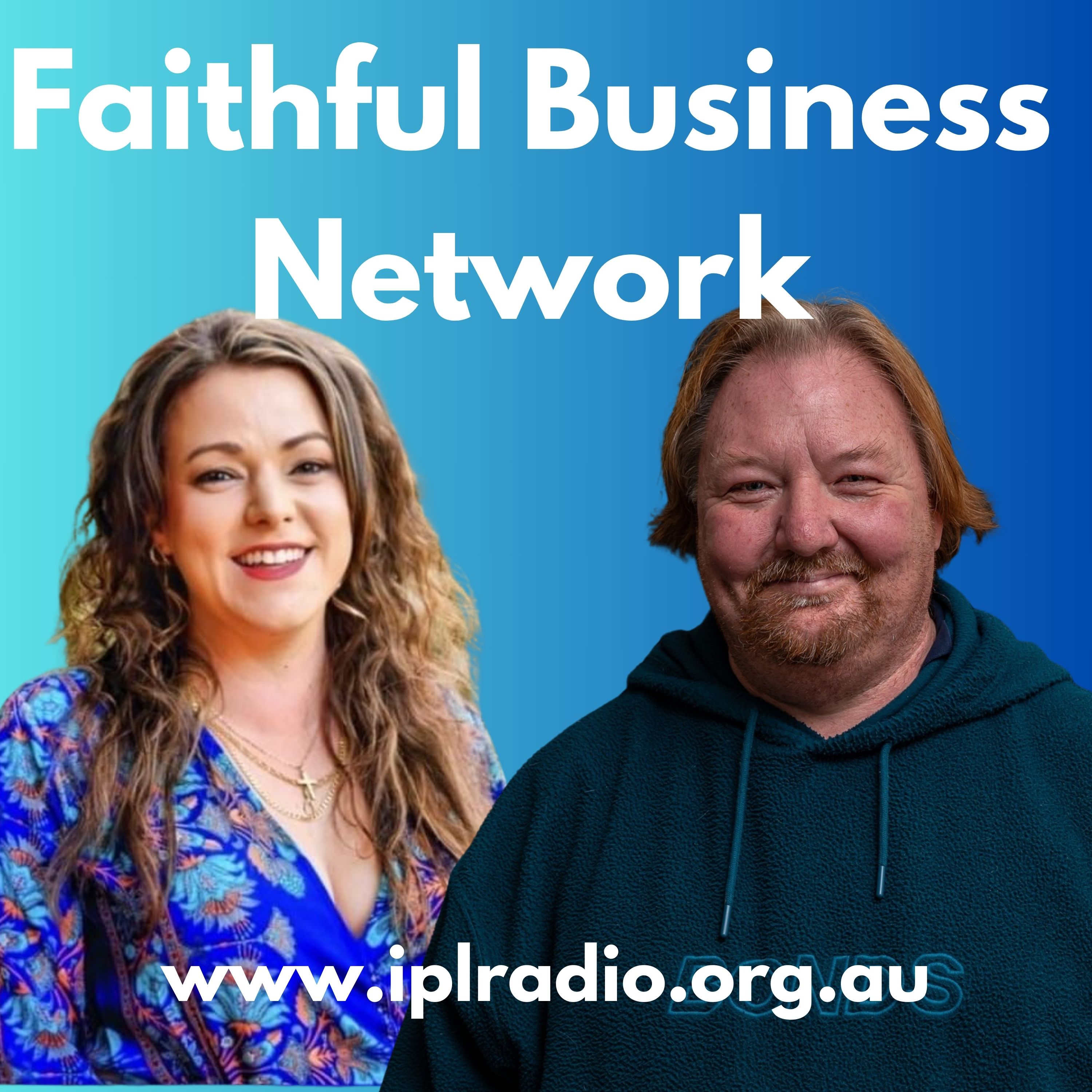
Okay. We have two guests in here today. We have Caitlin and we have Ellen.
Now I did read about this in the paper and it's quite an emotional subject for me reading it.
And you can only be genuine on air. It really is quite upsetting. But would you like to tell us in your own words, Ellen and also Caitlin, what this interview's about?
[00:00:40] Speaker C: Yep. So I've got a two year old daughter that's got a congenital heart defect and also allergic syndrome.
The main issue we've got at the moment is the arteries that go from her heart to her lungs are very underdeveloped and basically she's starting to go into what will lead into heart failure. Her right ventricle is not coping with the pressure.
Australia's exhausted all their, all their options. We've tried. She's had three heart surgeries, countless procedures, testing all the rest.
But there's a hospital in Chicago in the US that can ultimately potentially reconstruct her artery and X ray and give her a chance at having a fairly normal life if the surgery is successful.
[00:01:27] Speaker A: How, how do you, once I do you cope? That's a different area altogether to a degree. How do you find out these things, Ellen, that you know somebody in Chicago, but how, how much work for you personally is that?
[00:01:45] Speaker C: It was hard work to get there.
We reached out to almost every hospital we could think of around the world. Just asking seriously opinions, so many emails we both have.
And then they were the only hospital that's got back with a solution or a potential solution. It just happens to be that their surgeon there studied, from what I understand under the person that that's, that's whole purpose was pulmonary arteries and they've come up with a solution. It has been apparently done before, but it's, it's rare. So I don't know enough about that.
[00:02:20] Speaker A: So it's a, it must be a, you know, a specialist, specialist sort of thing.
[00:02:26] Speaker C: Yes.
[00:02:27] Speaker A: You know.
And Caitlin, how do you fit into apart from being Ellen's sister? Yeah, how, what, what's your role in all of this?
[00:02:36] Speaker B: Yeah, of course. So I've, I've, I created an Instagram and a TikTok page called Makaya Maze World where everyone can follow Kai's journey. So we're posting the true side of having a family member with rare disease. We're also posting the funny side of her. She loves to sing, she loves to dance.
[00:02:53] Speaker C: She's a normal healthy child on a regular Day you wouldn't.
[00:02:56] Speaker B: Showing that there's more to her than just her medical side to raise awareness for this rare disease, especially alagial syndrome. A lot of people, as fancy as the name sounds and very French, a lot of people have never heard of it.
[00:03:08] Speaker A: Oh, no. You know, like, you read a lot of things in the paper out diseases and this, that, the other. And this is one I'd never heard of. And when I read about it. Wow, that's.
That's freaky, isn't it? I mean, you know the old cliche, they say, oh, only one person in blah, blah, blah. I dare say the chances of this particular condition must be astronomical.
[00:03:33] Speaker C: Consider that your child would even have it. Even when I take her to just a regular GP now and I say she's got Alish Syndrome. They're like, oh, what's. What's that?
[00:03:41] Speaker A: Yeah, yeah, yeah. And you can understand that, you know, like, they can't cover everything. Yeah. Have you had much support?
[00:03:49] Speaker C: We. An amazing amount.
[00:03:51] Speaker B: We are blown away. So we do have a GoFundMe page that we've had. We are almost at $200,000 and that's from the Western Australia, Australia community.
[00:04:00] Speaker C: Just, cor.
[00:04:00] Speaker B: Kind people, just people who want to help Alkai Girl. We are. I don't think we could ever put into words.
[00:04:07] Speaker C: And to put that in perspective, for her to get the phase one treatment, she needed 150,000. So the community's already raised enough to get her to Phase One.
[00:04:15] Speaker A: What is Phase One?
[00:04:16] Speaker C: So Phase one is basically, she needs to be completely assessed by their team. So the lung perfusion test, seeing exactly how much oxygen she's getting, so they can carefully design the surgery that they're going to do. Because it's obviously a rare surgery, they need to know her exact anatomy. And in the us, those tests are expensive.
[00:04:36] Speaker A: Yeah. Wow.
[00:04:36] Speaker C: Yeah.
[00:04:37] Speaker A: I'm not. I'm being disrespectful at all, but you generally find most things in America with regards health, you know, amazingly expensive, aren't they?
[00:04:47] Speaker C: Yeah.
[00:04:49] Speaker A: So have there been, as far as you know, has there been any other people, any other kids with this.
What is it called, this condition?
Have they been operated on before?
[00:05:07] Speaker C: I've reached out to a lot of families and I haven't found anyone with the exact same anatomy as Makaya, but similar. And there's currently one little boy, he already lived in the us that's just had this surgery, so I've been talking to his mum to see. He's currently, I think, recovering in icu. So we Won't know the long term results. But I know that he's, he's had a similar version of what Makai will have. It won't be the exact same. I think every child would have to be slightly tailored to them. But the idea of the surgery. Yeah.
[00:05:37] Speaker B: And I think that shows the beauty of social media is that we found these families around the world that have reached out and there's even been some families of children that have allergy or syndrome and have just said like my child also has alagy, like we stand by you. And I think the power of social media is we've created connections and it's beautiful.
[00:05:55] Speaker C: You're talking about the support of the community. Like obviously there's the gofundme and we're so grateful for that. But beyond that, we never expected money. It's more people that just can share her story and say if it can't help Makaya, maybe it can. Maybe it can help another child later. That's in the same position we are. If there's more awareness in Australia. Exactly.
[00:06:15] Speaker B: And if an Australian family in a couple of years is in the same position as Ellen and Makai, hopefully allergy or syndrome has been pushed across the social media world and in our media that there's more attention to it and that maybe this family won't be in the same situation because Australia will have a bit more up to date research and be able to assist them. So even if people aren't don't have the means to donate, we understand life's tough. We just want her story to be shared. We want her little face to be shown to Australia and the world because she's so much more than just her medical diagnosis.
[00:06:48] Speaker A: So when did you, when did you first realize that there was an issue?
[00:06:54] Speaker B: Helen?
[00:06:55] Speaker C: Her first original diagnosis, which is tetralogy Othello. I found out when I was pregnant she had a heart condition, but that actual condition is known. We were told surgery could fix her. We're told she'd probably have one surgery in her life and she'd be fine when I was pregnant. And then obviously the diagnosis just kept rolling in.
[00:07:14] Speaker B: So.
[00:07:15] Speaker C: Yeah, only recently, about two months ago was she referred to palliative care. And we realized that it's a life ending now. It's not a. Unless we.
[00:07:25] Speaker B: Unless we get to Chicago.
[00:07:27] Speaker A: Yeah, again, I'm assuming so, you know, is the earlier that your, your daughter can be operated on, the better.
[00:07:41] Speaker C: Yeah, 100%.
So basically she's in the early phases of this failure now. So if we can get her surgery soon, she's got a chance of survival. If she's too far, if her heart is under too much stress, then ultimately it doesn't matter what they do. She.
She's in heart failure. I. I'm obviously not a medical professional, but.
[00:08:00] Speaker A: No, no, no.
[00:08:01] Speaker C: Time is the essence, basically.
[00:08:02] Speaker B: Also getting her on a flight when she's, you know, at the moment, she's not on oxygen, she's able to breathe without oxygen at the moment. The fact that we could get her on an airplane, the sooner the better, is also the time as well.
[00:08:15] Speaker C: Yeah, yeah.
[00:08:17] Speaker A: So how, how close are you, I think, is to get the first stage. How close are you to getting to that first stage, guys?
[00:08:29] Speaker C: So the tricky thing is we need to be able to do. They want to do phase one and two in the same admission.
So we have now raised enough for phase one, but we can't then fly her there to do phase one because the idea is getting her assessed. They can go straight into that surgery.
[00:08:47] Speaker B: America needs the money up front is
[00:08:50] Speaker A: ultimately what it is, which is more about the digressing. But it is more and more happening now, I'm finding in Australia, if you want, you know, if you want a simple operation, the anesthesis has got to be paid before, you know, So I suppose we're sort of going down that track a little bit as well.
So how, How are you feeling at the moment, both of you? How are you, you know, like, what's your general feeling like, hopeful or you just will weigh it up?
[00:09:27] Speaker C: For me, it's, it's. It depends on the time of day you ask me that question.
Some phases of the day, it's very overwhelming and seems out of reach. Other fake times of the day, you've got to be like, well, if I, if I fall too far into the emotion of it being hopeless, then. And, you know, I'm. I'm a mom. I've got to be the one that's hoping and pushing for this or who. Who else does? So it's a bit back and forth
[00:09:50] Speaker A: and, you know, this. You know, the good thing about interviews is you can speak from the heart, you know, And I know people are going to say, oh, yeah, well, you know, But I always think, being a little older demographic, I always think mothers feel these things more than men do. And probably getting all these blokes here, they're going, oh, no, no, no, you can't say that. But I just think the bond between mother and. And child. Yeah. Is, you know, it's right up there as far as I'm concerned.
So what would your, can we ask either of you, what would your typical day you here at the studio now but what would your typical day encompass
[00:10:39] Speaker C: with Micaiah on your average day, she's the average 2 year old. Of course you throw into the mix that there's a lot of appointments with her, a lot of testing that she's got to have.
As she's getting further into this heart failure we are noticing a decline though things like she used to be able to walk further, now she's asking to be carried. At night you can hear her breathing. She's a bit noisy so it's getting more challenging. But she's on three different types of medication that are helping to manage three
[00:11:08] Speaker B: times a day as well.
[00:11:09] Speaker C: Yeah, seriously helping to manage those symptoms. It's not going to fix her but it manages her symptoms which is obviously what PAL is making her.
But if you, if she was in the studio now, she'd be like running
[00:11:20] Speaker A: around like oh really?
[00:11:22] Speaker B: So sassy as well. She's just so full of life which is so hard to believe with you know, you get told she's in heart failure. I've got a two year old myself and she keeps up with him. Oh my goodness, she's the boss.
[00:11:34] Speaker C: Oh yeah.
[00:11:36] Speaker A: And I suppose guys, and I don't want to get too, what's word, too emotional or two, you know, but I can imagine, how do you to put it in context sometimes for somebody like me, if you see a child who is in a distressed state and they're young, you think, you know, that's sad and you know, and that's sad and it is. But I think if you see a normal like you're saying your daughter runs around then it's even harder to in your mind things that they had to accept.
[00:12:20] Speaker C: Yeah, yeah, it's hard to accept that. I think I've said it so many times to family and friends, every appointment I go to I sit there and I just think you've got the wrong child. Like it doesn't make sense. She can't be this sick and yeah, yeah she is but oh it shows
[00:12:36] Speaker B: her strength and resilience though. Like you know, she.
[00:12:39] Speaker C: Since this media coverage, I've spoken to so many beautiful families with kids with heart conditions. They all say the same things. They're the toughest little kids. Like you wouldn't believe what they've been through.
[00:12:48] Speaker B: They really take the whole heart kid.
They wear their heart on their sleeve. Like Kaya wears her heart on her sleeve. Like she really screams Heart child. You know what I mean? Like, she is just. She's the biggest blessing. She's just. I don't want to get too emotional, but she's, she's our blessing.
[00:13:07] Speaker C: Sort of what you're saying. It does give you hope because, because you just think if she can be this healthy that she's got too much life. Like she's not. There's got. If, you know, if we can get her to Chicago. I feel, yeah, I feel she can do this. And it's just, it's sad that money's the obstacle.
[00:13:24] Speaker A: Oh look, when you go down these paths of, you know, spending money on racetracks and this, this, this, you know, which, you know, it just doesn't make sense to me. You know, none of this makes sense to me is something like. And I'm only picking things out of my brain is things like telethon. Can, can they.
Have you contacted them or whatever.
[00:13:51] Speaker C: I'm, I've been a lot in the contact with more of the hospital world. Caitlin's been doing the social media and outreach to places which I'm so grateful for. But we've had even comments with so many suggestions and every, every suggestion we're exploring.
[00:14:06] Speaker A: Yeah, yeah.
[00:14:06] Speaker C: But they're a lot harder to get than I think is. We've been emailing this morning trying to get the overseas treatment grant, see if that's a possibility from what we understand at the moment, the assessment phase one part because those tests can be done in Australia, that's hard to get funded but we need that strategy, the surgery. So I'm hope, my hope is potentially because the generosity of the community we've almost paid for that. Could Australian government maybe help with just
[00:14:37] Speaker B: the, just the surgery. Surgery section of even the flights accommodation. We can as a family figure that money. We will make it work.
[00:14:45] Speaker C: It's the one point something million dollar figure that's a bit like just for the surgery. That's what we, we're. We're hopefully there's a grant for that specific part. But everything else like the assessment consultations is what we're trying to raise the money for. And maybe we do need to raise all the millions. We don't, we don't know yet. We, we don't know what can be assisted. But we are reaching out to everybody.
[00:15:09] Speaker B: Yeah.
[00:15:09] Speaker C: Every suggested. And we're grateful for people that are coming up with suggestions.
[00:15:12] Speaker A: Well, that's it, isn't it? Like there's the old thing. There's no such thing as a stupid question.
[00:15:17] Speaker C: Exactly.
[00:15:18] Speaker A: And, and that's you know, it only takes one.
Oh yeah, I can do that or I can go there to, to find that out. So, I mean it's a.
It's an incredible heavy. You said was on chat. I don't think I watched it on channel. I might have seen it on Channel 7 news. But has there been much other media exposure for you guys?
[00:15:41] Speaker B: We've had Channel 7 and Channel 10 news on Saturday night covered our story, which we are extremely thankful for.
We, Perth now has posted about it as well. We have reached out to stations like a car and affair, things like that we haven't heard from but we, we have been reaching out so we've also been emailing any social media influencer we can think of, mining companies, everything. We're just, of course, we're just trying.
[00:16:10] Speaker C: Even other people in the community that we don't even know have said that they've even tried to pitch their story to people that they might think could share it. So I don't even know at the moment where it possibly could be but grateful for anyone that's.
[00:16:21] Speaker A: We're seeing on Channel seven. Sorry, yeah.
[00:16:24] Speaker B: Oh, no, I was just going to say we.
In terms of the GoFundMe donations we've had, people are so generous, whether it's $2, whether it's 5,000. We had Car Hub Australia donated $50,000 to our car Hub Australia.
[00:16:38] Speaker A: Wow.
[00:16:39] Speaker B: Incredible. So they're just a local business. We've had scented flame, we've had some beauty companies, we've had some activewear brands, Nalana, the label. They've donated a percentage of their sales towards Kaya's GoFundMe and it's all just from small local businesses that are. We're just blown away by the community.
[00:17:02] Speaker C: And like he was saying, we've had a range of donations and I think what maybe isn't put out there as much is people that are donating a dollar is significant to us as people because every, every cent does count 100%. I just want to say how grateful we are for anyone that's.
[00:17:20] Speaker A: Yeah.
[00:17:21] Speaker B: Anything doesn't matter the figure.
And then even like we said earlier, people that physically don't have the means to donate, like, we understand life's hard.
[00:17:29] Speaker C: It's.
[00:17:29] Speaker B: We're blown away with people that are just putting it on their stories or sending it around, talking about it.
[00:17:34] Speaker C: Yeah.
[00:17:35] Speaker B: Even just commenting and sending like prayers and love.
[00:17:37] Speaker C: That's incredible as well. Yeah, yeah.
[00:17:40] Speaker A: And it's amazing, guys, isn't it? Like, are you both local?
Yeah, it's amazing.
We've been a community radio station and I have untold people.
[00:17:53] Speaker C: That.
[00:17:53] Speaker A: Community. Community come in here and I'll send it to the people out there. It's amazing.
The Rockingham community and generally most communities. But rocking is. So there's so many people.
[00:18:07] Speaker B: Yeah.
[00:18:07] Speaker A: You know, whether it be a Rotary Club, a Lions Club. Yeah. So many people out there who give of their time to help other people.
[00:18:15] Speaker B: Absolutely.
[00:18:16] Speaker A: And you think, oh, yeah, well, nobody's gonna take any notice.
[00:18:19] Speaker C: I mean. Right.
[00:18:20] Speaker A: But it's amazing. Like you say the small businesses who are probably battling anyway.
[00:18:25] Speaker B: Exactly.
[00:18:25] Speaker C: Right.
[00:18:25] Speaker B: And they have stepped up and just
[00:18:27] Speaker C: said, how can we help?
[00:18:29] Speaker B: And it's just amazing. It's. Yeah, it's incredible. It really, really is. And you know, like the Rockingham area, we're grateful to even live here. Like, it's such a beautiful area to live in as well.
[00:18:40] Speaker A: That's. Yeah, it's an amazing place. Yeah. And is getting, you know, what you're doing through Arsenal. Course. But it's getting a message out there, isn't it? Like, you know, I'm assuming again, like, where you're getting a big hit of people like that might be, say something like even something as simple as the.
The Sunday market at Rockingham, you know, it's. If you could, you know, sort of get a little bit of a.
A presence here. You know, I don't know whether the Lions would say, look, you can have a.
A thing here and you can have photos and. And with the information about it, we're
[00:19:22] Speaker B: open to everything, you know.
[00:19:23] Speaker A: Well, that's the thing, isn't it? You know, like, you think, oh, yeah, well, but there'll be a.
Over the space of the out that's on there, there will be a few hundred people go there. And it's a. It's a snowball effect. You know, two people, Liberty 4. 8 in 16.
[00:19:38] Speaker C: But you don't ultimately know where it's going to reach either, which is also.
[00:19:42] Speaker A: That's the other thing. And you just don't know. But like you say, the more people that know, the more people. I know, it's stupid. More people that know, the more people that know.
[00:19:50] Speaker C: Exactly.
[00:19:51] Speaker B: And the more people that share the. The further it could. Somebody that might not have the.
The means to be able to, you know, donate. They might have a connection somewhere.
[00:20:02] Speaker A: Exactly right.
[00:20:03] Speaker B: Has a link to some. Someone and that's it. That's all that we're asking is just show her beautiful face.
[00:20:08] Speaker C: And even people in the community, like you said about small businesses that are financially helping, we've even had some people being like, you can put her flyer on the window, you know, even if they can't.
[00:20:17] Speaker A: That's what I think is a brilliant idea.
[00:20:19] Speaker C: Yeah.
[00:20:19] Speaker A: I really do. I mean, you know, all the businesses in Rockingham, you know, for them to. That's great. You know, and you just think with the bigger, let's not name names, but the bigger supermarkets, that there's a manager there in that shop, you would think that maybe, you know, is there a chance we can do this? But you know, it's probably very hard because they constricted by, you know, what they can and can't do.
[00:20:47] Speaker C: I think that's the other thing is like some people have been so kind in their responses, but like you said, there's rules in place and only so
[00:20:53] Speaker B: much they can do.
[00:20:54] Speaker A: Yeah. And then if we do it for you, we got to do it for you. It gets in that, you know, well, my child's sick as well, so it, it does open Pandora's box. But maybe the community, things like the, the markets and things like that.
[00:21:09] Speaker C: That's even a good suggestion.
[00:21:10] Speaker B: I hadn't thought of absolutely everything and anything.
[00:21:13] Speaker A: Well, that's it, isn't it? I mean, I, I don't know, guys, cuz I don't know how these things work. But if you, even if you had, like I say, a stall there with just a tablecloth and some photos and printed off some information.
[00:21:25] Speaker C: Yeah.
[00:21:26] Speaker A: And people grab it.
[00:21:27] Speaker C: Yeah.
[00:21:28] Speaker A: If you're seeing 10 people, it's better than seeing nobody.
[00:21:31] Speaker B: Exactly. Exactly.
[00:21:32] Speaker C: Right.
[00:21:32] Speaker B: 100%.
[00:21:33] Speaker A: I won't, I don't want to go into it too deep because it's a very emotional thing and I don't think it's necessarily good to, to get it to that point, you know, where we get visibly upset.
So What?
Obviously the GoFundMe page is so important for you guys.
So if you'd like to give it a big plug and we'll know why you're doing it. But you know, if you can implore the message, you know, and saying what you're doing and how they go about it, that'd be great.
[00:22:12] Speaker B: Yeah, of course, course. So our GoFundMe efforts, you can Google make the impossible possible. Let's get Kai to Chicago just, you
[00:22:23] Speaker A: know, without being ignorant. But how will we spell.
[00:22:26] Speaker B: Yeah, of course. So Micaiah is M A K A I A and then her middle name is M A E Mae.
[00:22:36] Speaker C: But you'll see everywhere referred to as Kyle.
[00:22:37] Speaker A: Yes, people top in Makaya. It'll come up.
[00:22:42] Speaker B: Yeah. Absolutely. Otherwise you can also search micaiah and then 7 news and I know that. Or 10 news and I know that they've got the link to her GoFundMe in there.
[00:22:51] Speaker A: Oh great.
[00:22:52] Speaker B: Otherwise her Instagram is Makaya Mays World. So Makaya Maze and then world. And we've got a link to the GoFundMe page in the bio on her Instagram as well.
[00:23:02] Speaker C: Otherwise even if you just see her page and can just share y. Absolutely. If you can't donate, that's we understand. Yeah, it's totally not.
[00:23:09] Speaker A: Well, thanks guys for coming in and sharing the story.
You know, I can only say as a person out there in community, it's nothing to do with fake.
You know, I do feel for both you. That's what I want to.
[00:23:27] Speaker B: We appreciate you having.
[00:23:28] Speaker A: I don't want to go down the coping side because then I wouldn't have a radio show because I'll be choice.
[00:23:35] Speaker B: We'll be crying with you.
[00:23:40] Speaker A: But the good thing is I hope it goes well and I hope people donate. I really do.
And the good thing is you like music.
[00:23:48] Speaker B: Yeah.
[00:23:48] Speaker A: So we can't go too far along. So I'll play. I'll say thanks again for coming in and sharing your story. It's.
Yeah, it's. It's obviously sad but it's full of hope and inspiration. So it's a double sided coin.
[00:24:04] Speaker B: Exactly.
[00:24:05] Speaker A: I hope it all goes really well. You.
[00:24:07] Speaker B: Thank you for your time.
[00:24:09] Speaker A: So. And it's ironical, you know, like sometimes songs come up and I had this song queued up.
[00:24:16] Speaker C: Oh, the power of music.
[00:24:19] Speaker A: Music. But it's.
It's strange song.
[00:24:22] Speaker C: I'm curious what you've got you're talking about.
[00:24:24] Speaker A: It's just. Yeah, I had this one shoot up anyway. But yeah. Alana Morissette.
[00:24:29] Speaker C: Yeah.
[00:24:30] Speaker A: You know, I can't say I do.
[00:24:32] Speaker B: Maybe, maybe if we hear the song.
[00:24:34] Speaker A: Yeah. And this song's called thank you.